
Project LifeSaver
Project Lifesaver is a specialized, international search-and-rescue program designed to protect and quickly locate vulnerable individuals who are prone to wandering or “eloping.” This primarily includes children and adults living with cognitive conditions such as Autism, Alzheimer’s disease, Dementia, Down Syndrome, or traumatic brain injuries.
Instead of traditional search methods—which can take hours or days, require massive manpower, and sometimes end in tragedy—Project Lifesaver searches typically take less than 30 minutes.
How the Program Works
The system relies on a combination of radio technology and community policing practices:
-
The Transmitter: Enrolled individuals wear a small, personalized, waterproof transmitter band on their wrist or ankle. This band emits a continuous, individualized radio frequency signal 24/7.
-
The Database: The local public safety agency maintains a database of all clients, their unique radio frequencies, physical descriptions, and helpful information about their habits or fears.
-
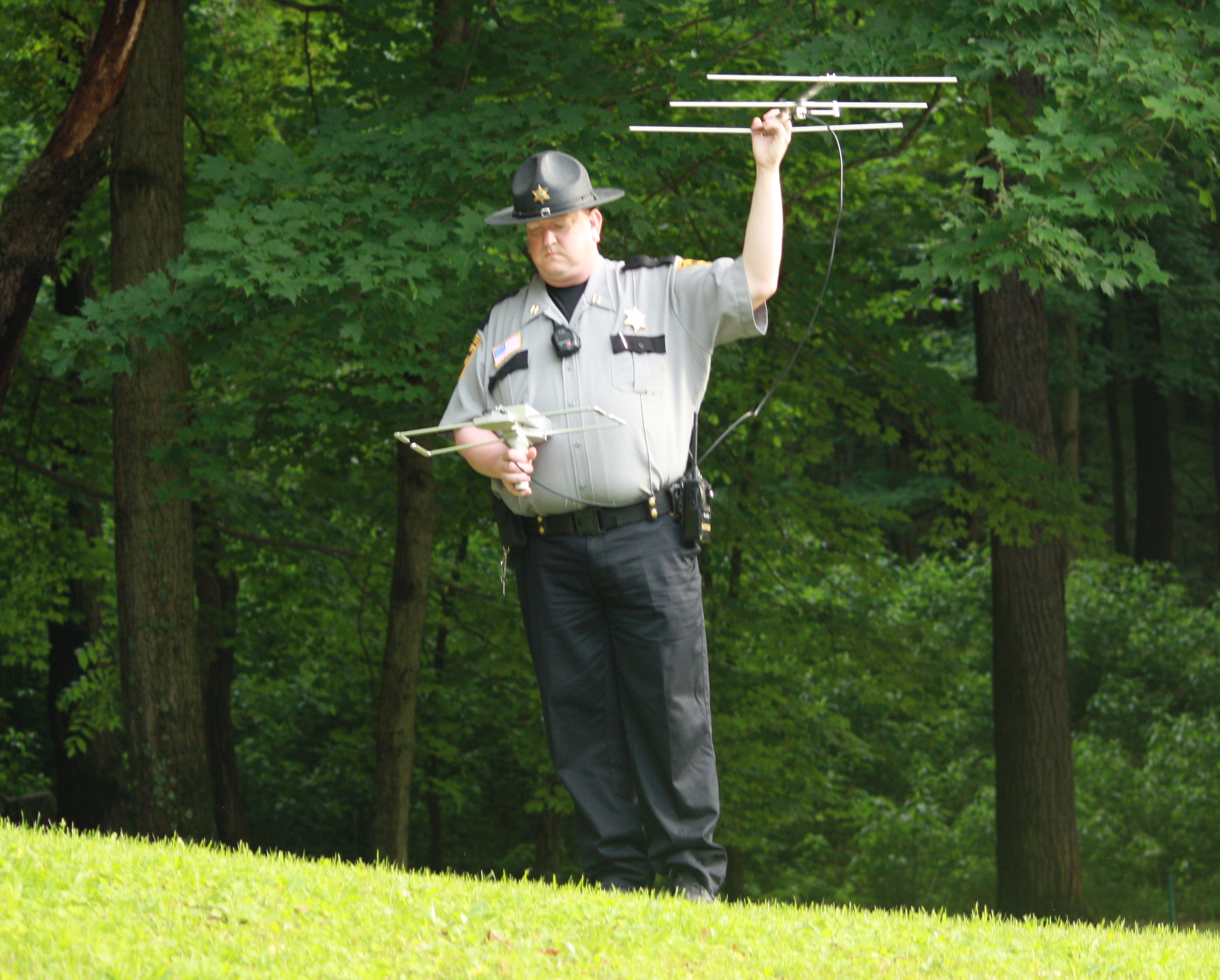
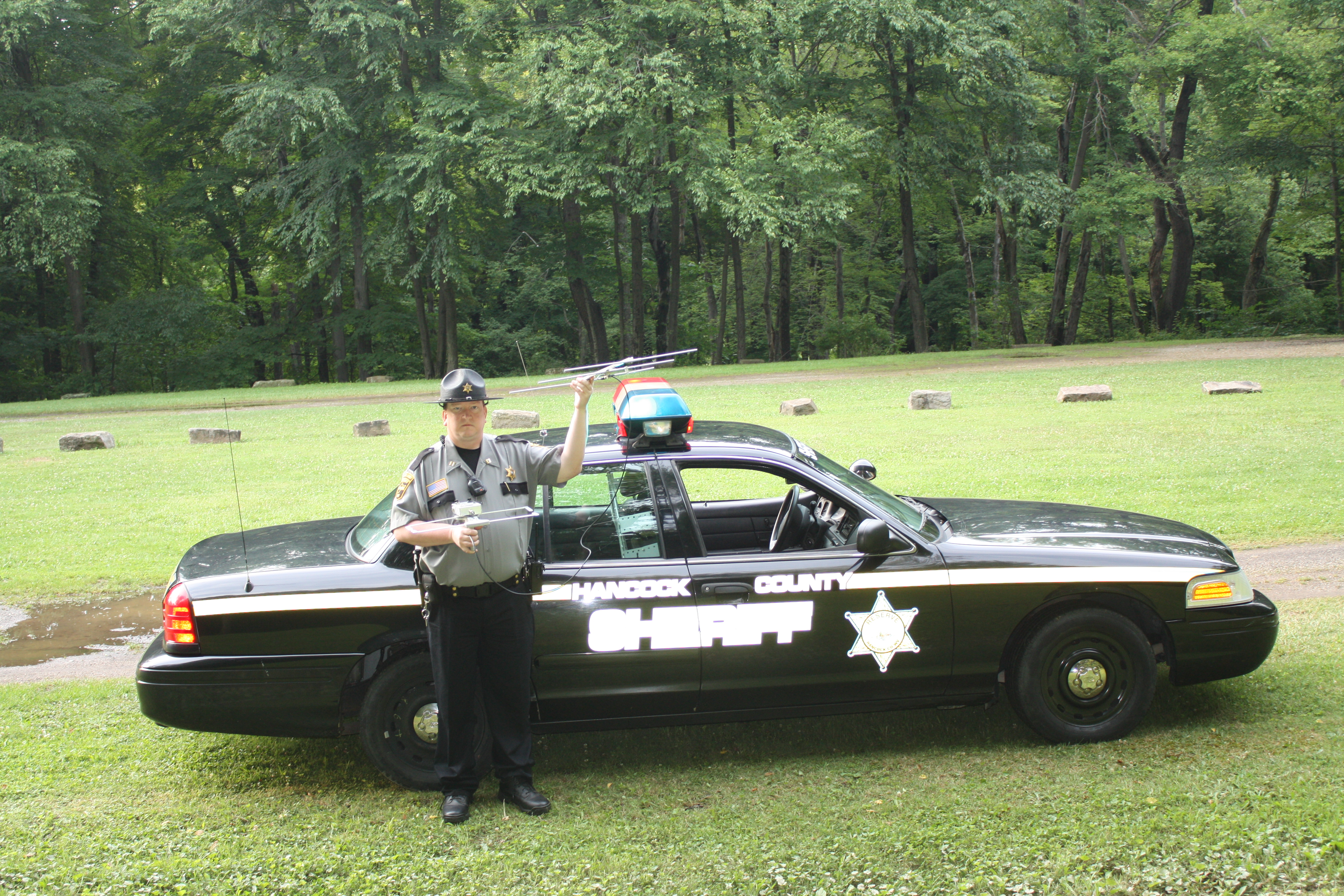
The Search: If an enrolled individual goes missing, the caregiver immediately calls 911. Specially trained electronic search specialists respond to the area equipped with mobile tracking receivers tuned to that specific client’s frequency.
How the Hancock County Sheriff Reserves Utilize It
The Hancock County Sheriff’s Office relies heavily on its Sheriff Reserves—volunteer, trained community members who assist full-time deputies—to manage, maintain, and execute the Project Lifesaver program locally. Their responsibilities include:
1. Rapid-Response Tracking
When an “at-risk” individual is reported missing in Hancock County, Reserve units deploy with specialized directional antennas and receivers. Because traditional GPS can lose signals indoors or in heavy tree cover, the Reserves use Project Lifesaver’s traditional radio frequency (RF) equipment, which can track a signal through walls, dense woods, and rugged terrain to pinpoint the exact location of the individual.
2. Tailored, Empathetic Approach
Locating the missing person is only half the battle. Because individuals with conditions like Autism or Dementia can become easily terrified or combative when approached by strangers in uniform, Reserve members undergo specialized training. They learn basic behavioral psychology for cognitive conditions so they know how to approach the individual calmly, de-escalate fear, and return them home safely without causing further trauma.
3. Equipment Maintenance & Community Outreach
The Reserves don’t just step in during an emergency; they maintain the program day-to-day. The transmitters require their batteries and bands to be changed roughly every 30 to 60 days. Reserve members often assist families with these routine check-ups, which also allows them to build a friendly, familiar relationship with the clients before an emergency ever happens.
Obtaining a Project Lifesaver transmitter for a loved one involves a straightforward enrollment process managed at the local level. Because the equipment operates on specific radio frequencies monitored by local emergency responders, you must go directly through the agency serving your county.
1. Verify Eligibility
To qualify for the program through a sheriff’s office or police department, the individual usually must meet the following criteria:
-
Residency: Must live within the county boundaries (e.g., Hancock County).
-
Diagnosis: Must have a documented medical diagnosis that causes wandering or elopement (such as Alzheimer’s, Dementia, Autism, Down Syndrome, or a traumatic brain injury).
-
Supervision: Must live with a primary caregiver who can provide 24/7 supervision (the device is a safety net for emergencies, not a substitute for care).
2. Contact the Local Agency
-
FIll out the form below to speak with the Project Lifesaver Coordinator with the Sheriff Reserves Division.
-
National Registry Route: If you cannot find the direct local number, you can visit the official Project Lifesaver International Enrollment Page or call their national toll-free line at 1-877-580-LIFE (5433). They will look up your zip code and connect you directly with the Hancock County officers managing the program in your state.
3. The Intake and Application
Once you get in touch with the coordinator, they will walk you through the signup process:
-
The Interview: An officer or a Reserve member will speak with you to understand your loved one’s specific wandering habits, history, physical description, and things that might comfort or scare them.
-
The Paperwork: You will fill out an application form detailing emergency contacts, medical history, and liability waivers.
4. Fitting and Maintenance Setup
Once approved, a representative (often a Sheriff’s Reserve member) will schedule a time to meet with you and your loved one:
-
Sizing: They will fit the waterproof transmitter band comfortably on your loved one’s wrist or ankle.
-
Frequency Assignment: They will assign a unique radio frequency to the device and log it into the county’s 911 dispatch database.
-
The Routine: They will explain the maintenance schedule. Because the transmitter batteries must be replaced every 30 to 60 days, the Reserves will set up a recurring schedule to swap out the battery and test the signal strength.
💰 What does it cost?
While the specialized equipment typically carries an upfront cost of around $300 plus minor monthly maintenance fees, We provide this service free of charge.
Important Note for Caregivers: Project Lifesaver is designed to be an extra layer of security, not a replacement for 24/7 supervision. Local programs are typically managed directly through county law enforcement administrative lines.